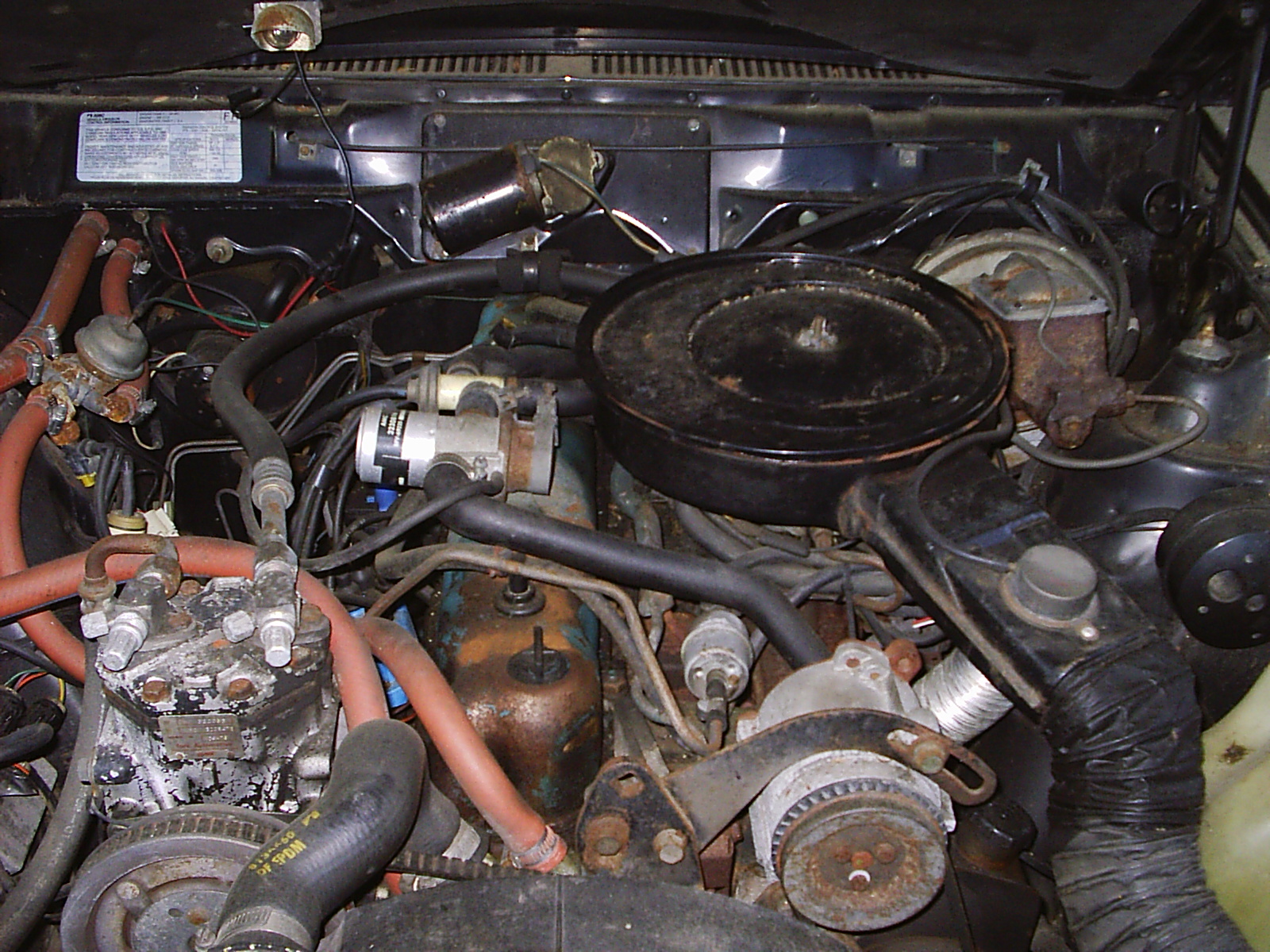
AMC 258 Inline-6: The Engine That Refuses to Die (Unlike Your Wallet)

The AMC 258 cubic inch (4.2L) inline-6 is the most common engine found in Jeep CJs from 1972 to 1986. It makes approximately the same horsepower as a riding lawnmower, leaks oil from places that shouldn't be able to leak oil, and will somehow still be running long after your marriage has ended from CJ-related expenditures.
History & Overview
The 258 was introduced in 1971 as part of AMC's inline-6 family. AMC — a company so successful it no longer exists — designed this engine to be simple, reliable, and woefully underpowered. Mission accomplished on all three counts.
Stock specs (1981-1986 CJ):
- Displacement: 258 ci (4.2L)
- Bore x Stroke: 3.75" x 3.895"
- Horsepower: 112 hp @ 3,200 RPM (downhill, with a tailwind)
- Torque: 210 lb-ft @ 2,000 RPM (the one thing it actually does well)
- Carburetor: Carter BBD 2-barrel (more on this nightmare below)
The torque curve is what makes this engine special — peak torque at just 2,000 RPM means it'll crawl up anything. It just won't do it quickly. Or quietly. Or without leaking.
Known Issues & How to Throw Money at Them
The Carter BBD Carburetor: Your New Nemesis
The feedback Carter BBD carburetor with its electronic stepper motor is proof that engineers in the early '80s hated you personally. Common symptoms include stumbling, stalling, flooding, not starting, starting but running terribly, and running fine for exactly long enough to make you think you fixed it.
Fix options (in order of money spent):
- Rebuild the BBD with a quality kit. Cost: $45. Hours of your life lost: 6-8. Chance it actually fixes it: 50/50.
- Swap to a non-feedback BBD from a 1978-1979 CJ. Rip out all the electronic garbage and run a manual choke like God intended. Your wife will ask why you bought another carburetor. Tell her it was free. It was not free.
- Weber 32/36 DGEV conversion — The most popular upgrade. Runs about $350-400 for the kit. Your CJ will actually run properly. You'll tell everyone who will listen (and many who won't) about your Weber swap. Cost per person who cares: approximately $400.
- Howell or Mopar fuel injection — $1,200-1,500. This is the "I told my wife the carburetor needed a small repair" option. The engine will run like a modern vehicle. Your checking account will not.
Exhaust Manifold Cracking
The factory cast iron exhaust manifold is famous for cracking. Not "sometimes cracks" — it WILL crack. It's a matter of when, not if. You'll hear a ticking that gets louder when cold and quieter when warm, and you'll ignore it for about 6 months before it starts embarrassing you at car shows.
Solutions:
- Replace with a reproduction manifold: $80-120. It'll crack again in 2-3 years. Circle of life.
- Clifford Performance header: $250. The correct answer. You'll need to buy it twice because the first one you'll buy used on Facebook Marketplace and it'll be the wrong year. Ask me how I know.
Oil Leaks
A 258 that doesn't leak oil is either freshly rebuilt or hasn't been started yet. The rope-style rear main seal on pre-1982 engines is essentially decorative. Later engines used a neoprene seal that leaks slightly less.
Every CJ parking spot has an oil stain. We call it "marking territory."
Maintenance Schedule (That You'll Ignore)
- Oil & filter: Every 3,000 miles. You'll do it every 5,000 and feel guilty.
- Valve adjustment: Every 15,000 miles on solid lifter engines. You've never done this.
- Coolant flush: Every 2 years. Your coolant is currently brown.
- Distributor cap & rotor: Every 15,000 miles. You'll replace it after a no-start at the worst possible time.
- Spark plugs: Every 12,000 miles. Champion RJ12YC. You have a set in your garage but you can't find them.
- Timing check: Every tune-up. 8° BTDC. You'll set it by ear and call it close enough.
Performance Upgrades (How to Spend Your Kid's College Fund)
If you want more power without swapping engines, here's the damage:
- Weber 32/36 carburetor — $400. You already know about this one.
- Clifford header + 2.5" exhaust — $350-500. Now it sounds like a slightly angrier lawnmower.
- Mild cam upgrade — $200 + machine shop time. Tell your wife it's "just a small engine part."
- Electronic ignition — $80 for Pertronix. Actually a great value. Naturally, this will be the last thing you buy.
- Ported head — $300-500 at a machine shop. You're in too deep now.
Total: $1,300-1,800. Net horsepower gain: maybe 30-40. Cost per horsepower: don't do that math.
With all of the above you can realistically see 140-150 hp and 230+ lb-ft of torque. You'll tell people it has "around 160" because you rounded up. Twice.
The Bottom Line
The 258 isn't fast. It isn't pretty. It leaks, it ticks, and it sounds like a tractor. But it's incredibly tough, stupidly simple to work on, and will outlast everything else on the vehicle including your patience and your bank account. There's a reason these engines go 200,000+ miles. Keep oil in it (both the oil that's supposed to be there and the oil you keep adding to replace what's on your driveway) and it'll outlive us all.